
The year started with some welcome winter rains. Rainfall exceeded annual average with 350mm falling from January to September. The wet weather continued into spring with hail storms from April through to July unfortunately taking out a large chunk of production. The local folklore says that once a hail storm has swept an area earlier in the year, the subsequent storms tend to keep following the same route as storms build throughout the year and that did appear to be the case. Some vineyards were hit 5 to 6 times so once we reached harvest many blocks had nothing to pick. Thankfully as our vineyards are split between 5 villages, we got off lightly compared to some of our neighbours.
In addition to hail, downy mildew during flowering, coupled with poor fruit set (typical in Garnacha during inclement spring weather), meant an overall reduction of yield by around 35%.
Summer was late to arrive but August was very warm and dry. Despite the loss of crop, the quality of the 2025 vintage is excellent. We started picking on the 9th of September with Garnacha Gris and Chenin Blanc then progressed to pick all our old vine Macabeo, Provechón, Garnacha and Mazuelo between the 17th September and 4th of October. The flavours are fine and concentrated with vivid, fresh acidity and ripe tannins so we think there will be a great ability to age. The old vine Garnachas especially have risen out of the August heat and maintained fine acidity.
Although we have been practising organic viticulture since 2014, we have only just – finally!- done the paperwork to start the process to be organically certified. We had our first audit for organic certification in September this year and we will, if all goes well, receive certification in 2028.We have also legalised the well we drilled last year which means we can start to plan new vineyard plantings and the winery build with our own water. You can see a video of the well drilling here.
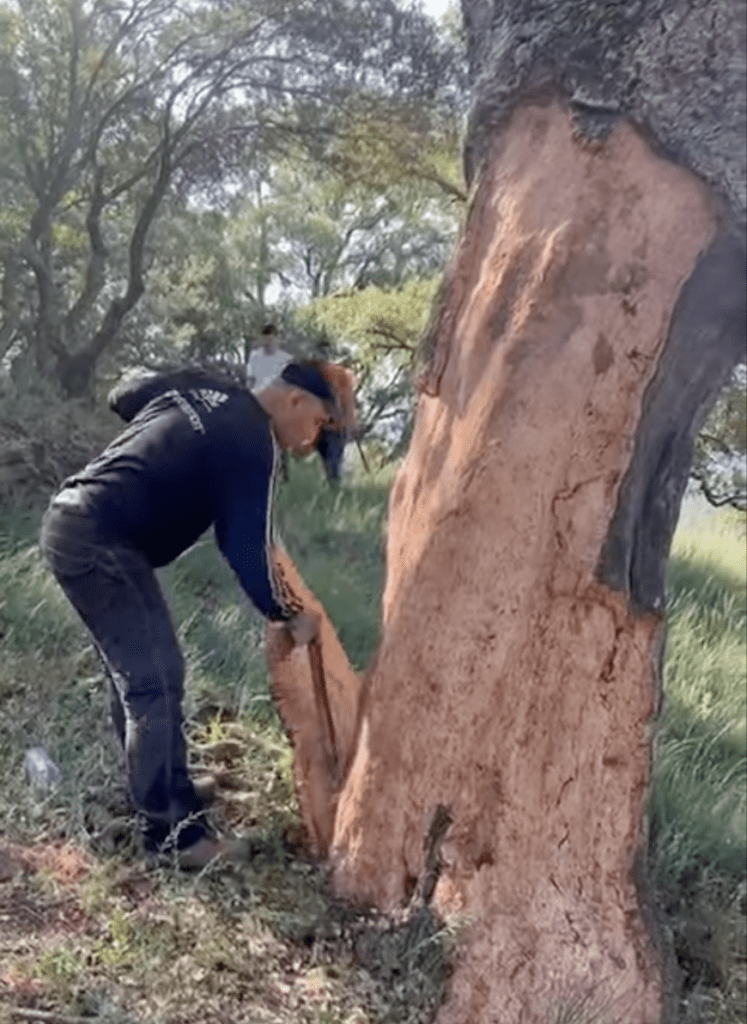
In July, we were fortunate to be invited to the Diam factory in Perpignan. We have been using Diam corks since they entered the market around 20 years ago and we are extremely happy with their performance. Using DIAM – a technological cork made from natural cork oak (Quercus Suber) – means that we have consistency from bottle to bottle, no cork taint at all, no leakage. The first harvest of these trees in Perpignan takes place 50 years after planting and then every 15 years. This is an impressive operation! Diam’s use of supercritical CO2 removes around 150 substances from the cork, including TCA, the main cause of cork taint. You can read more here. Some of their corks are also made with beeswax and they actively support bee populations at a time when these are in decline. Watch a video of the cork harvest here.
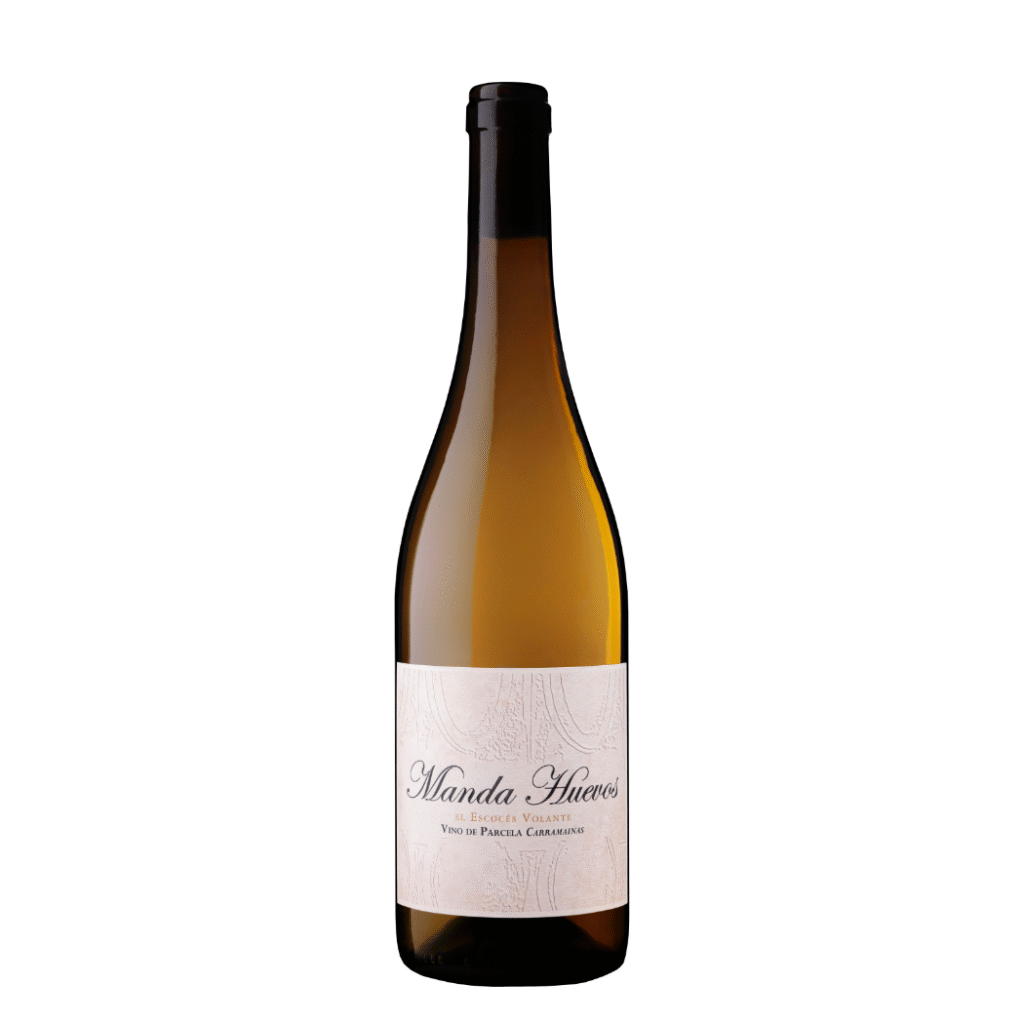
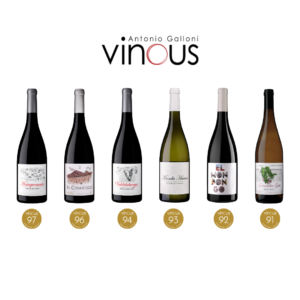
Other innovations that we have adopted include reducing glass content in our bottles. A couple of years ago, we moved away from the 650g bottle to a 445g bottle and now we are in the process of moving to a 395g bottle. Some markets are nervous about this but we genuinely do not think that shelf presence is diminished and we have not experienced any rise in breakages. Reduced weight means reduced transport fuel and therefore a smaller carbon footprint. Another change we have made is removing complex capsules where we were using them. These capsules can only be broken down by burning them to separate the plastic from the metal. So, both of these innovations are reducing our carbon footprint.As you can see in this bottle shot, removing the capsule gives an elegant, sleek look to the bottle.
Last year’s Garnacha Gris, which Norrel is very excited about, has been bottled and will soon be ready for sale. This is from a very young vineyard at around 950m altitude and has lovely apricot flavours and a lovely rounded mouthfeel. See the tech sheet here.
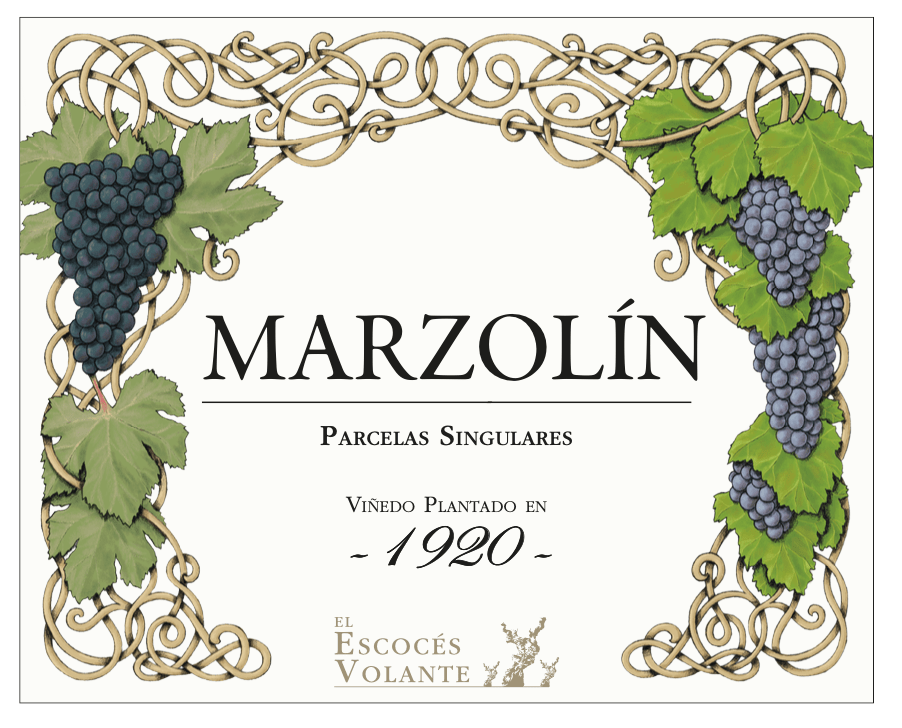
The Marzolin 2022, from a vineyard planted in 1920, will also be released very shortly with a Belle Époque inspired label as befits the history of this wine.
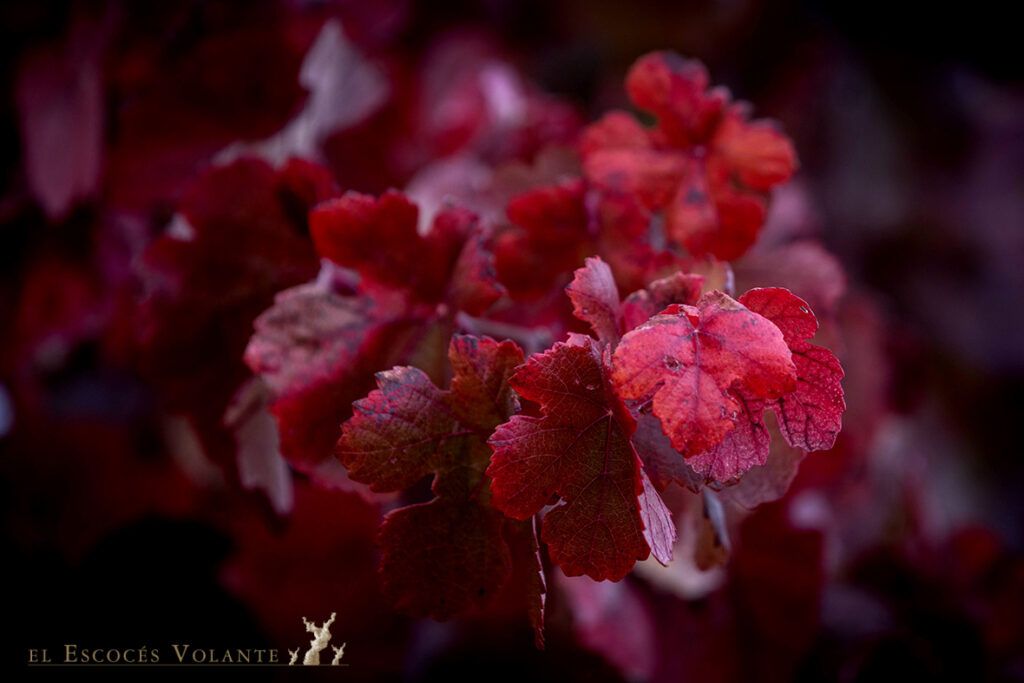
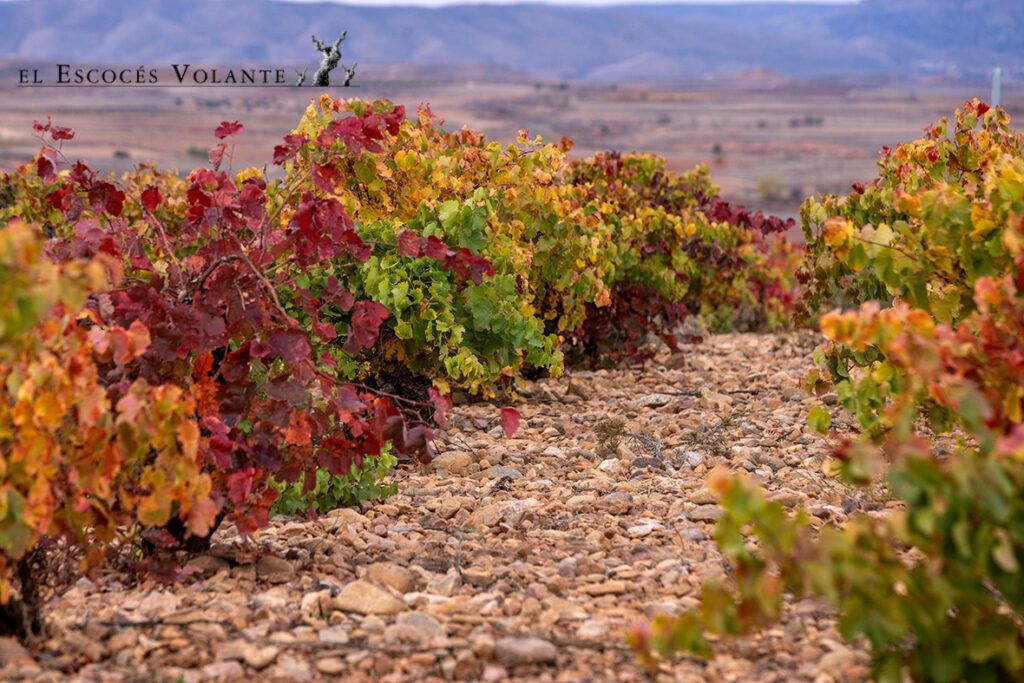
we want to leave you with some stunning photos taken in the vineyards in Autumn this year. Many thanks to Jorge Miret as always. This first photo is of our Valdelabarga vineyard at 680m altitude on a pudding stone soil and is a wonderful visual depiction of a field blend where we have around 85% Garnacha and 15% other varieties.
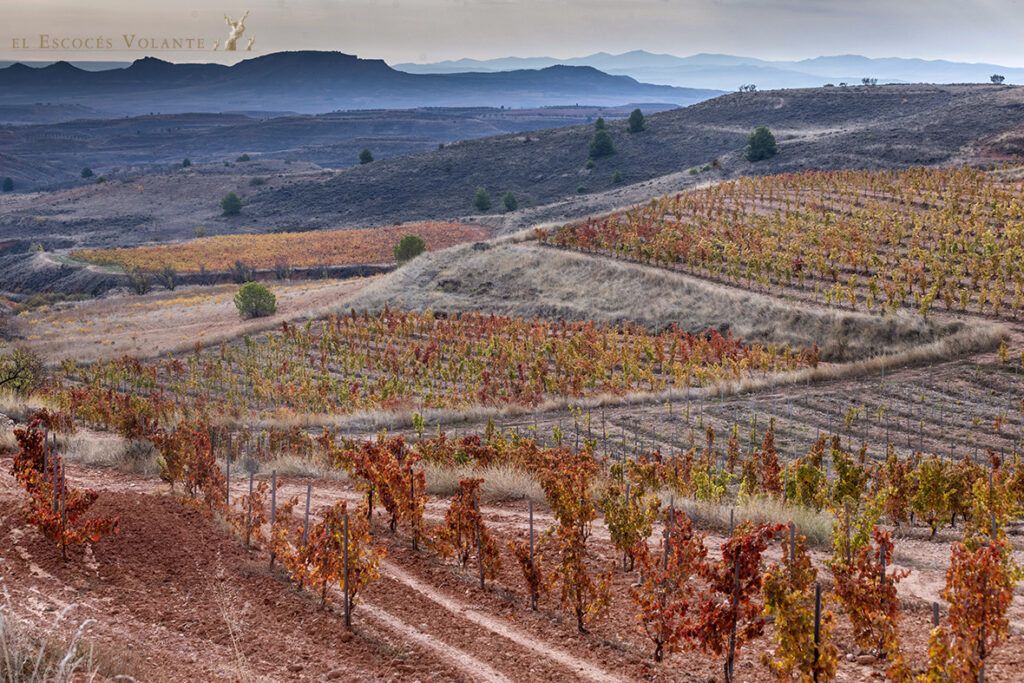
This is our Anfiteatro vineyard of mainly younger plantings – #futureoldvines -but also includes some octogenarian Garnacha too.