
El año comenzó con unas bienvenidas lluvias invernales. Las precipitaciones superaron la media anual, con 350 mm registrados entre enero y septiembre. El tiempo húmedo continuó durante la primavera, con tormentas de granizo desde abril hasta julio que, desgraciadamente, arrasaron una gran parte de la producción. El folclore local dice que, una vez que una tormenta de granizo azota una zona a principios de año, las siguientes tienden a seguir el mismo recorrido a medida que se van formando nuevas tormentas a lo largo del año, y así pareció suceder. Algunos viñedos fueron golpeados entre 5 y 6 veces, por lo que al llegar la vendimia muchos bloques no tenían nada que cosechar. Afortunadamente, como nuestros viñedos están repartidos en cinco pueblos, salimos relativamente bien parados en comparación con algunos de nuestros vecinos.
Además del granizo, el mildiu durante la floración, junto con un mal cuajado del fruto (típico de la Garnacha en primaveras con climatología adversa), provocó una reducción global del rendimiento de alrededor del 35%.
El verano tardó en llegar, pero agosto fue muy cálido y seco. A pesar de la pérdida de cosecha, la calidad de la añada 2025 es excelente. Comenzamos la vendimia el 9 de septiembre con Garnacha Gris y Chenin Blanc, y posteriormente recogimos todas nuestras viñas viejas de Macabeo, Provechón, Garnacha y Mazuelo entre el 17 de septiembre y el 4 de octubre. Los sabores son finos y concentrados, con una acidez viva y fresca y taninos maduros, por lo que creemos que los vinos tendrán una gran capacidad de envejecimiento. Las Garnachas de viñas viejas, en particular, han sabido sobreponerse al calor de agosto y mantener una acidez notable.
Aunque practicamos la viticultura ecológica desde 2014, solo ahora —¡por fin!— hemos completado el papeleo para iniciar el proceso de certificación ecológica. Tuvimos nuestra primera auditoría para la certificación orgánica en septiembre de este año y, si todo va bien, recibiremos la certificación en 2028. También hemos legalizado el pozo que perforamos el año pasado, lo que nos permitirá empezar a planificar nuevas plantaciones de viñedo y la construcción de la bodega contando con nuestro propio suministro de agua.
Aunque practicamos la viticultura ecológica desde 2014, solo ahora —¡por fin!— hemos completado el papeleo para iniciar el proceso de certificación ecológica. Tuvimos nuestra primera auditoría para la certificación orgánica en septiembre de este año y, si todo va bien, recibiremos la certificación en 2028. También hemos legalizado el pozo que perforamos el año pasado, lo que nos permitirá empezar a planificar nuevas plantaciones de viñedo y la construcción de la bodega contando con nuestro propio suministro de agua.
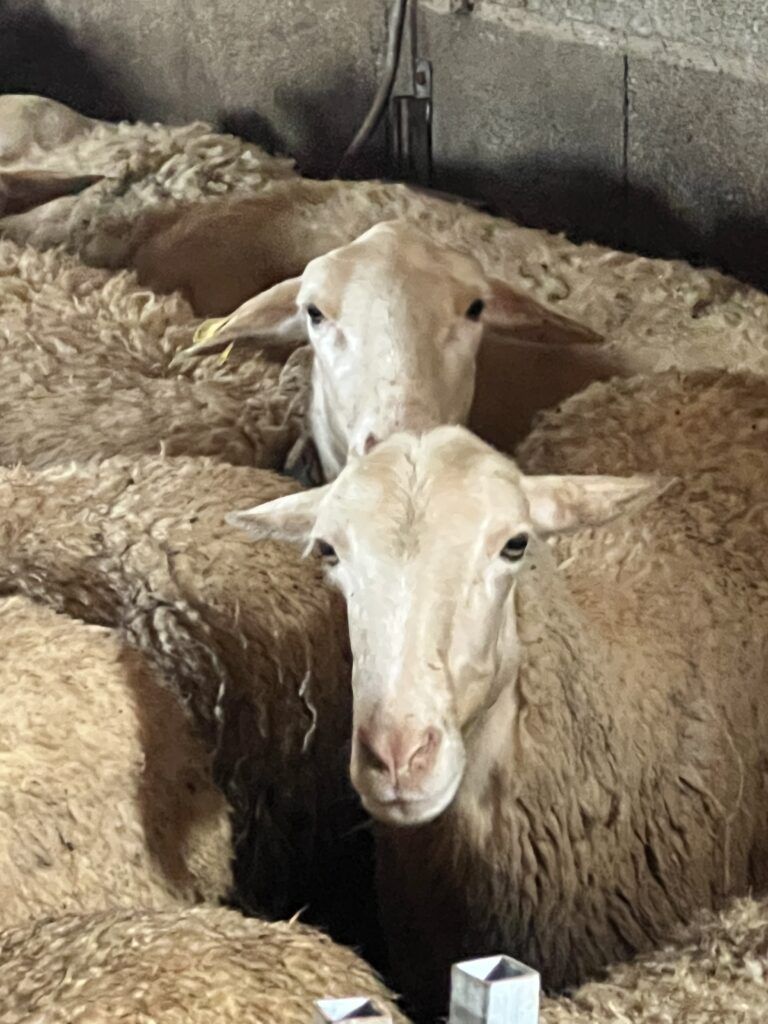
As for other news in the vineyard, this year we will start wool mulching. Sheep farmers have to pay for the wool to be taken away so we have snapped it up. Wool has obvious thermal qualities in Summer and Winter but it also aids with water retention and enriches the soil with nitrogen, phosphorous and potassium as it decomposes. It’s also full of fleas so our fantastic team will be donning the hazmat suits before handling it.
Challenges: in addition to climate change and increased birdlife in the vineyards, rabbits are proving to be a big problem in Aragon for cereals, fruit and nut trees and vineyards. They are said to be a hybrid between a wild and domestic rabbit and are larger, more agile and with a greater reproduction capacity. In January this year, over 50,000 hectares and 30% of agricultural production in Aragon were affected.
In July, we were fortunate to be invited to the Diam factory in Perpignan. We have been using Diam corks since they entered the market around 20 years ago and we are extremely happy with their performance. Using DIAM – a technological cork made from natural cork oak (Quercus Suber) – means that we have consistency from bottle to bottle, no cork taint at all, no leakage. The first harvest of these trees in Perpignan takes place 50 years after planting and then every 15 years. This is an impressive operation! Diam’s use of supercritical CO2 removes around 150 substances from the cork, including TCA, the main cause of cork taint. You can read more here. Some of their corks are also made with beeswax and they actively support bee populations at a time when these are in decline.
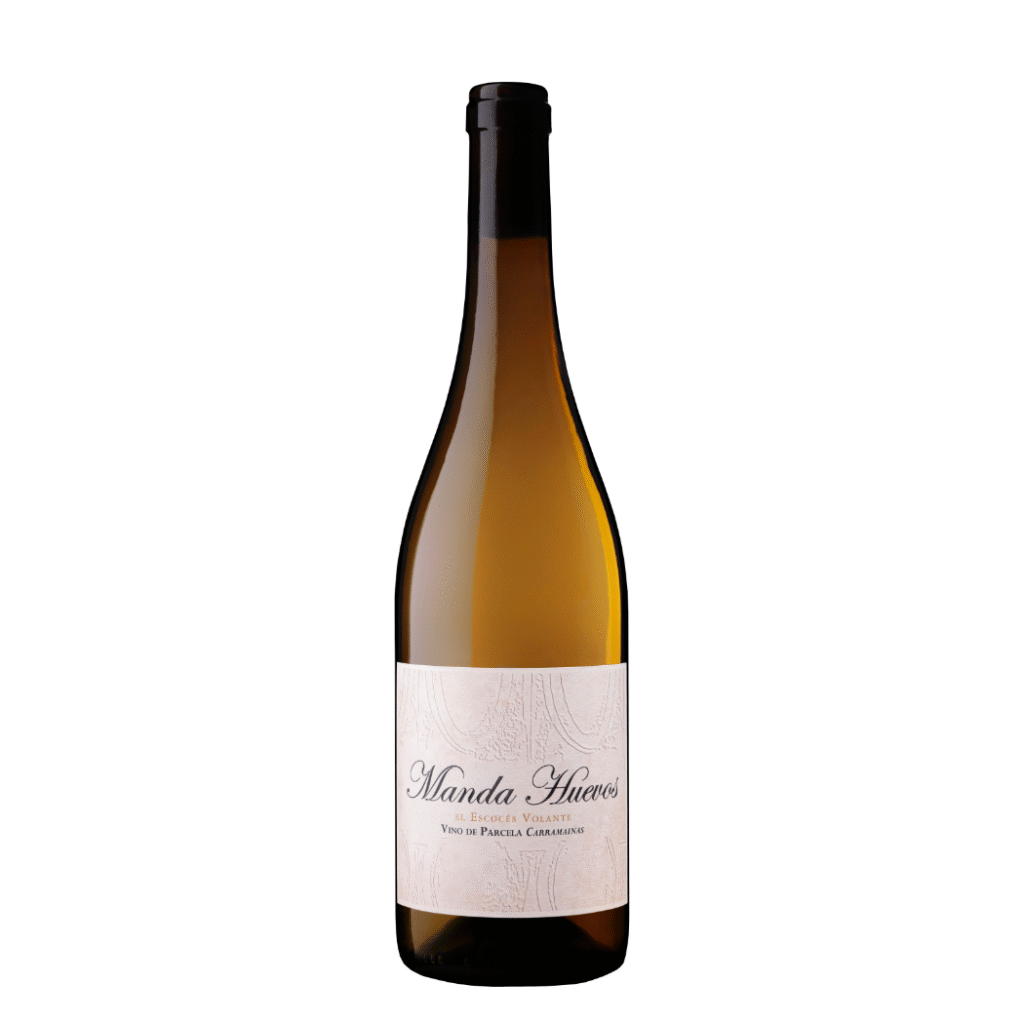
Other innovations that we have adopted include reducing glass content in our bottles. A couple of years ago, we moved away from the 650g bottle to a 445g bottle and now we are in the process of moving to a 395g bottle. Some markets are nervous about this but we genuinely do not think that shelf presence is diminished and we have not experienced any rise in breakages. Reduced weight means reduced transport fuel and therefore a smaller carbon footprint. Another change we have made is removing complex capsules where we were using them. These capsules can only be broken down by burning them to separate the plastic from the metal. So, both of these innovations are reducing our carbon footprint.As you can see in this bottle shot, removing the capsule gives an elegant, sleek look to the bottle.
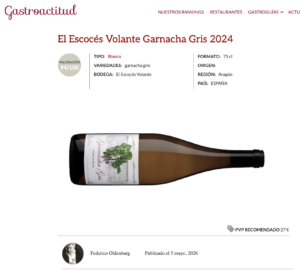
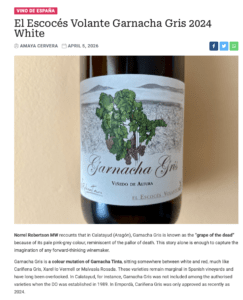
Last year’s Garnacha Gris, which Norrel is very excited about, has been bottled and will soon be ready for sale. This is from a very young vineyard at around 950m altitude and has lovely apricot flavours and a lovely rounded mouthfeel. See the tech sheet here.
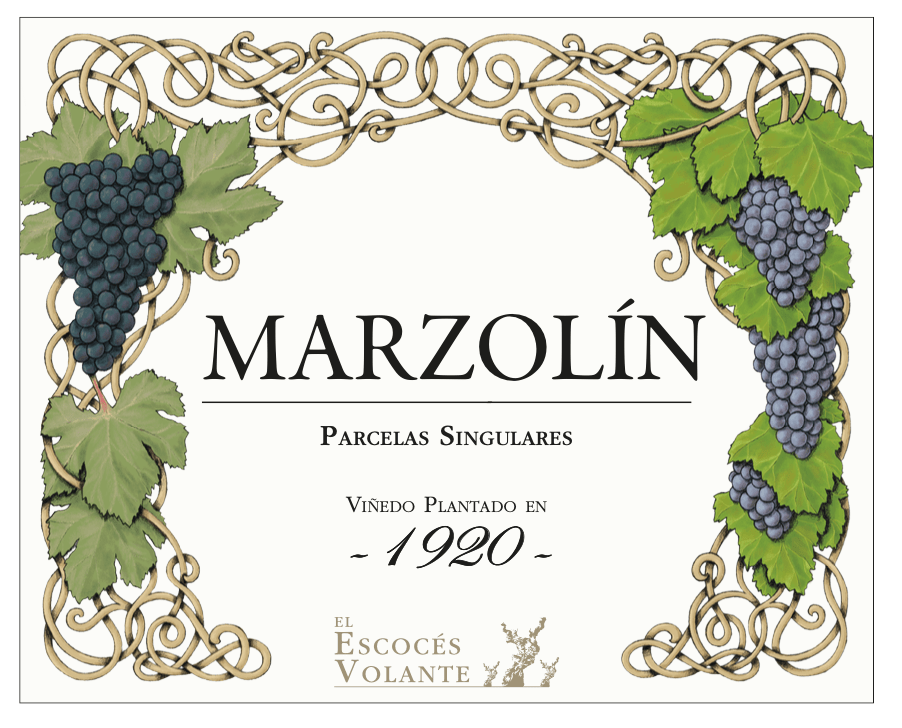
The Marzolin 2022, from a vineyard planted in 1920, will also be released very shortly with a belle époque inspired label as befits the history of this wine. More information here.
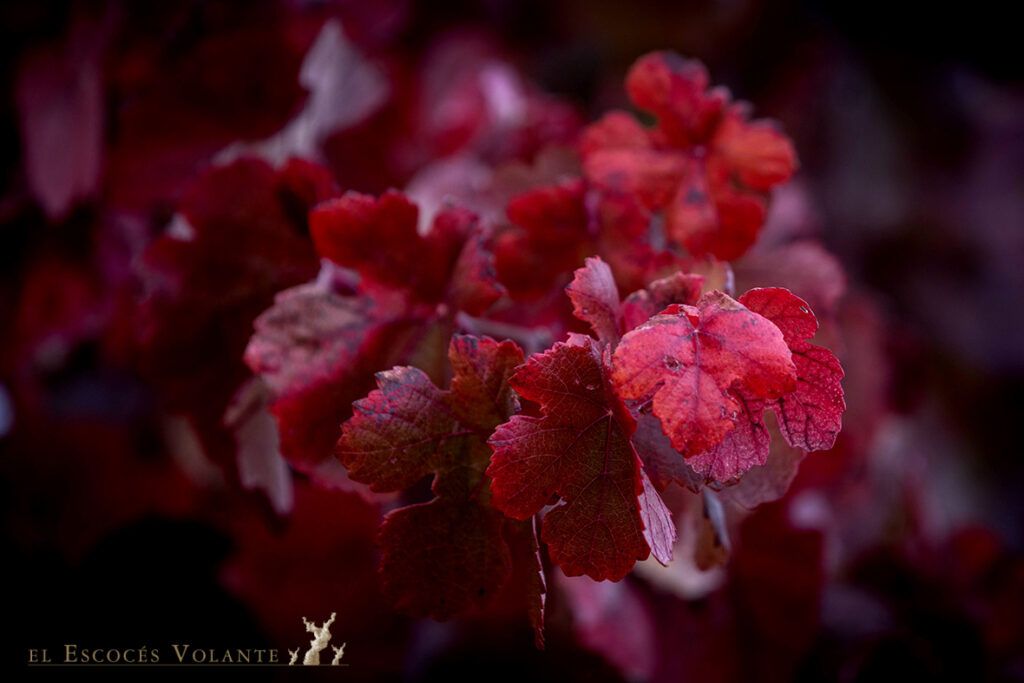
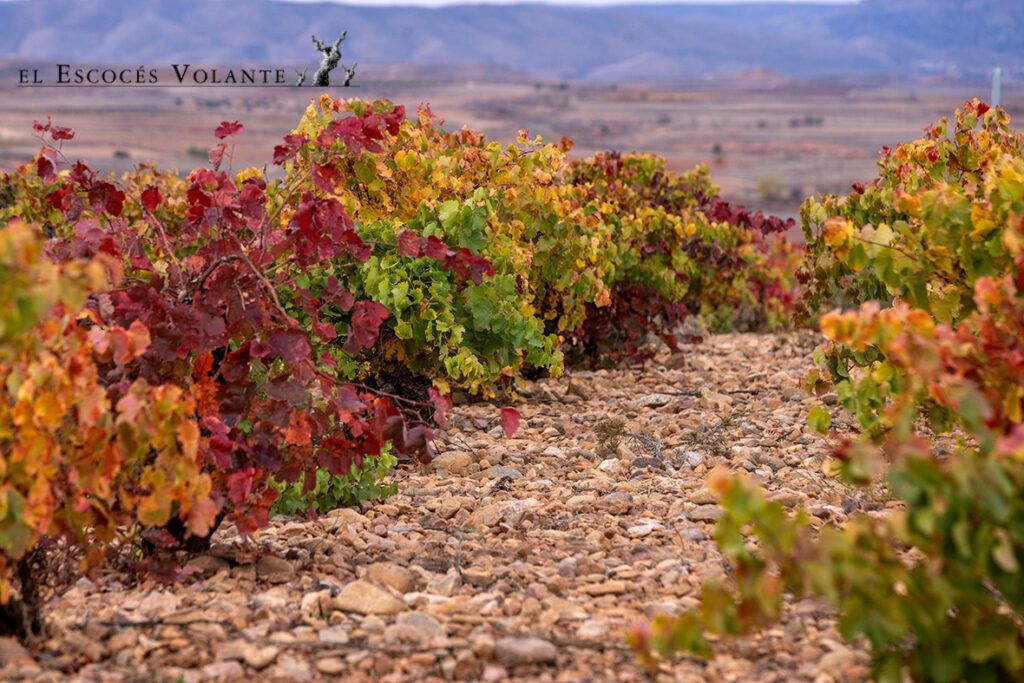
we want to leave you with some stunning photos taken in the vineyards in Autumn this year. Many thanks to Jorge Miret as always. This first photo is of our Valdelabarga vineyard at 680m altitude on a pudding stone soil and is a wonderful visual depiction of a field blend where we have around 85% Garnacha and 15% other varieties.
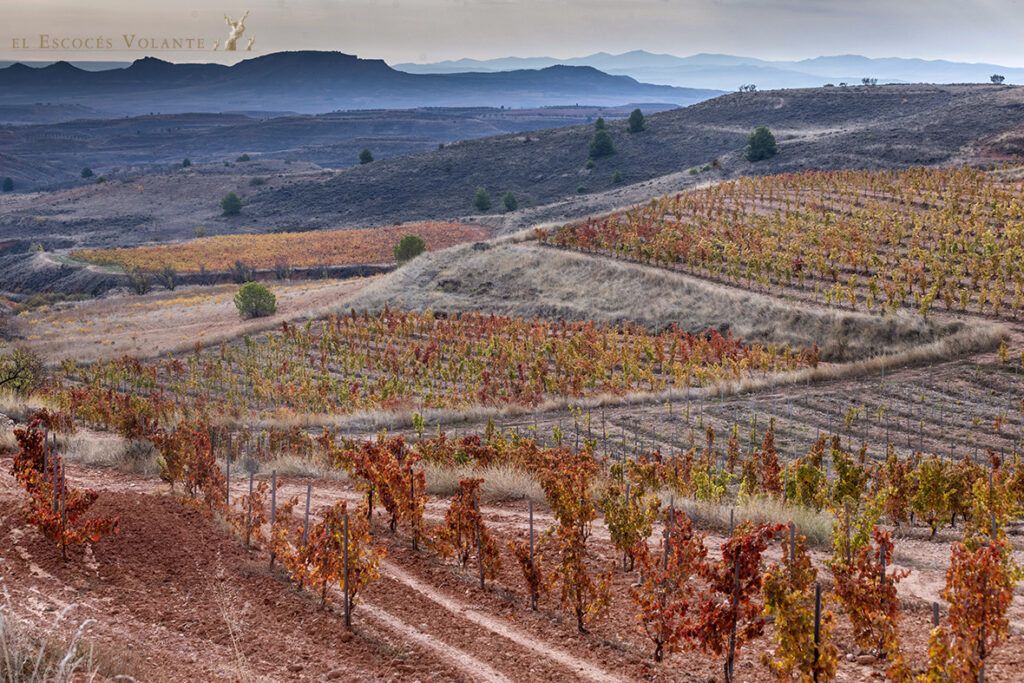
This is our Anfiteatro vineyard of mainly younger plantings – #futureoldvines -but also includes some octogenarian Garnacha too.